16 tenures.
14 men. 63 years.
From Nnamdi Azikiwe in 1963 to Bola Ahmed Tinubu today, every Nigerian head of state, how each came to power, how each left, and how long they held it. Filter by era, and open any tenure for the detail.
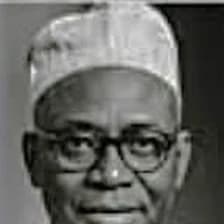
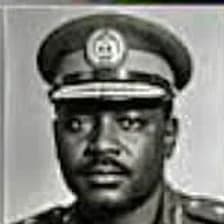
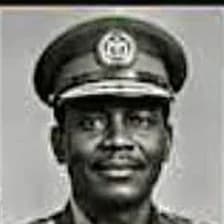
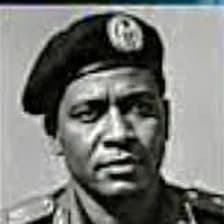
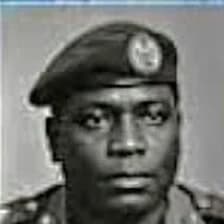
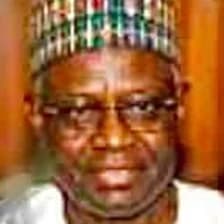
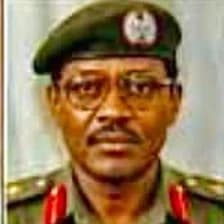
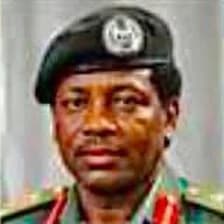
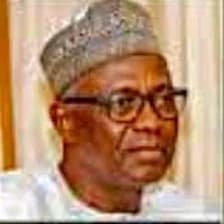
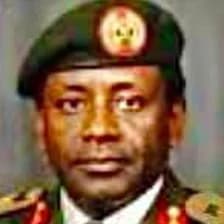
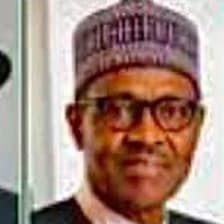
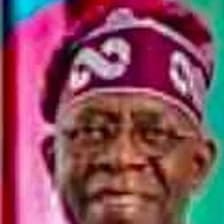
Sixteen tenures, in order: Azikiwe 1963 to Tinubu today
16
Tenures since 1963
Held by 14 individuals
2
Served twice
Obasanjo and Buhari: once in uniform, once elected
3
Died in office
Muhammed, Abacha and Yar'Adua
29 years
Under military rule
Across 1966–1979 and 1983–1999
Bar length is time in office
PresidentLagos · APC
Took office
Won the February 2023 election and was sworn in on 29 May 2023.
Current term
In office. Seeking a second term at the election of 16 January 2027.
- Ended the petrol subsidy regime and unified the foreign exchange market in his first months.
- Raised the national minimum wage to ₦70,000 in September 2024, the largest single increase on record.
- Signed four tax acts in June 2025 that took effect on 1 January 2026.
Sixteen tenures, fourteen individuals: Olusegun Obasanjo and Muhammadu Buhari each held office twice: once as a military head of state and once as an elected president. Between 1960 and 1963 Nigeria was a constitutional monarchy with a Governor-General, and executive power in the First Republic sat with the Prime Minister rather than the President. Portraits are cropped from the composite graphic supplied by the campaign; each is the official or widely published portrait of that head of state.
The next name on this list is decided on 16 January 2027.
Of the sixteen tenures above, only a handful began with a ballot rather than a barracks. That is the whole argument for turning up: the list only continues by election if people vote.